
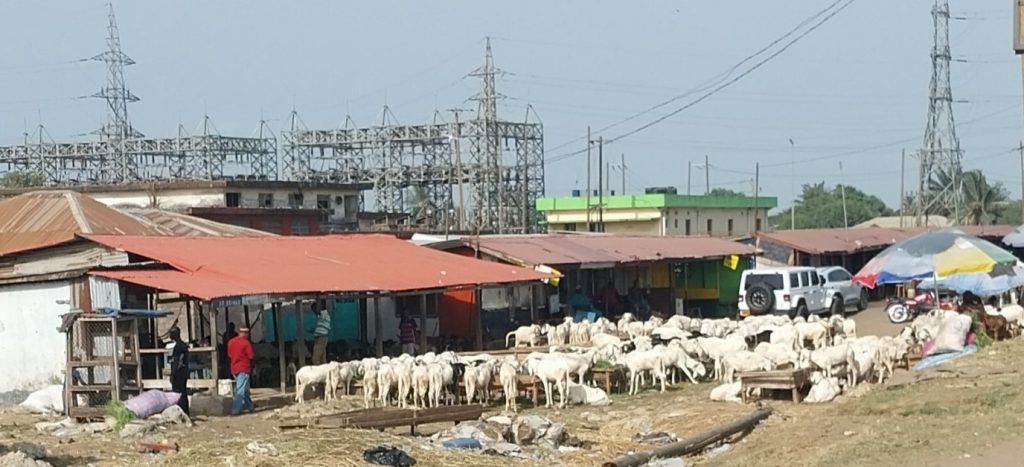
MONROVIA, LIBERIA – On July 6, 2023, 36 cattle were found dead in a field in Kelima Bendu Town, Foyah District, Lofa County, in the far northwestern region of Liberia.
Where they came from, how they entered the country, what killed them, no one knew. The immediate fear from the authorities was that they had been illegally smuggled into the country and that they died from something that could possibly be infectious to other livestock — not just those in the immediate district or the rest of the country- but across borders.
Kelima Bendu Town, which is located around 450 km from Liberia’s capital, Monrovia, is around 10 km from the Sierra Leone border and 15 km from Guinea.
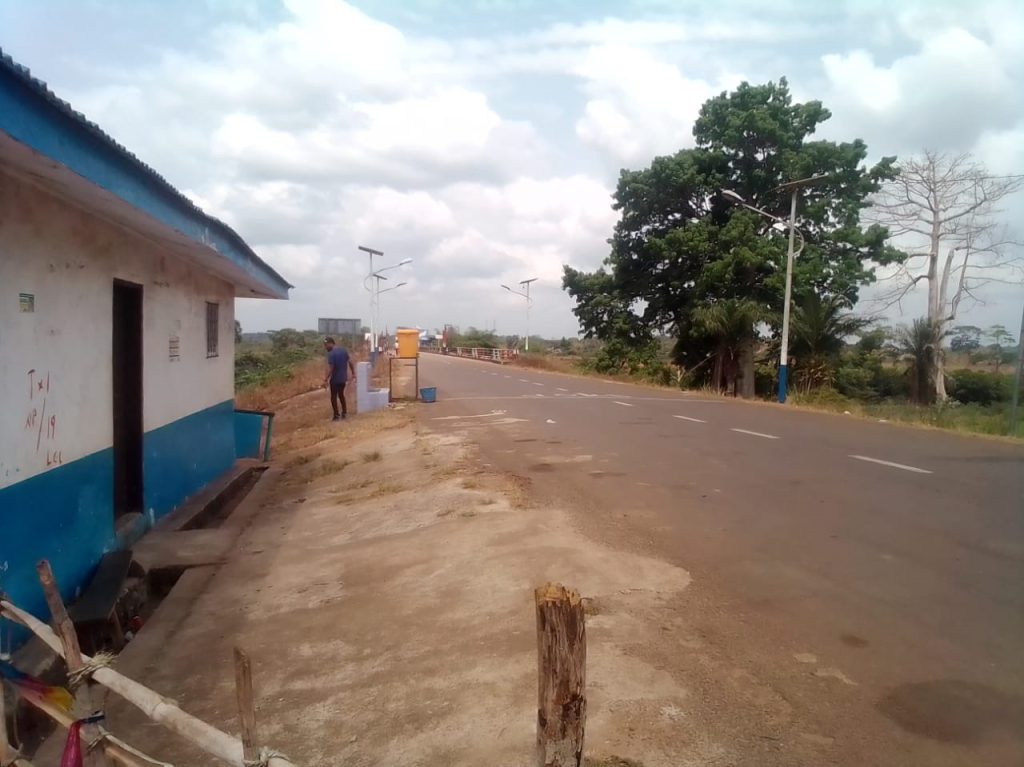
Some 200 kilometers south of Lofa County is Bo Waterside. Located in Grand Cape Mount County, it is a major, bustling, formal border crossing point linking Liberia and Mano River Union neighbors Sierra Leone and Guinea.
At the Liberia-Sierra Leone border point alone there is daily a steady flow of people and goods crisscrossing via Bo Waterside. Travellers on foot, in buses, taxis and trucks use this route because it’s believed to be the shorter and less expensive route for getting to Monrovia or Freetown.
This movement of people, goods, and agricultural products including cattle, moved into Liberia through this formal border entry point is fostering trade and boosting economic exchange. However, an on-going concern is the undeclared movement of goods and flowing through the numerous illegal border crossing points scattered across the country in places like Kelima Bendu Town, with particular concern about cattle coming across the border unchecked.
“The main problem is that the country’s borders are porous,” said Dr. Joseph Anderson, Chief Veterinarian for Liberia’s Ministry of Agriculture (MOA), the government agency charged with tracking cattle crossing into the country. As a result, untold numbers of cattle are being brought into the country illegally and without the proper health documentation, he said.
Most of the cattle coming into Liberia via Bo Waterside and other border points, are mainly from Mali, Guinea, and the Ivory Coast, he said. However, he continued, MOA is finding it difficult to fully carry out its oversight mandate. “Manning these border points has been very difficult for the Ministry of Agriculture because of the lack of budgetary support,” he said.
As it currently stands, he continued, even at a formal point such as Bo Waterside, handling the flow of animals coming in is a challenge due to infrastructure limitations.
“At Bo Waterside, there is no quarantine center but there are plans to establish one,” he said, adding, “The only animal quarantine center that we have for now is at the Ganta Border.”
Roland K. Pajibo, Extension Officer at the Ministry of Agriculture and assigned to Bo Waterside, said there are around 57 authorized entry points in Grand Cape Mount County bordering Liberia and Sierra Leone.
However, he lamented the fact that many of these check points are understaffed, lack facilities for animal holding, vaccinations, or testing kits to properly protect the Bo Waterside border. This understaffing of customs, specialized technicians, and officers in this area and other border areas has fueled an increase in informal border trade crossing. Pajibo said the agents working the border points often “use their discretion” to allow livestock to enter the country, something he said is “very risky.” It is also noted that corruption also figures in this matter, understaffing and the lack of staff training and support as cited as the core issues.
There are two major negative impacts that result from this unchecked illegal cattle entry, said Dr. Anderson, namely, “zoonotic diseases that can lead to an outbreak and jeopardize the country’s health system and economic loss because taxes are evaded.”
This issue of cattle smuggling across borders is not just a worry for Libera’s agriculture and health authorities. Agriculture and health authorities along the two sisterly borders joining Liberia and Sierra Leone both complain about the border porousness which they agree is an obstacle in tracking sick people and livestock moving between the two countries.
Still, opinions about just how widespread is this practice of illegal cattle border crossings, differ. Ousman P. Jalloh, secretary general of the National Livestock Union of Liberia (NASUL), maintains there is far more control at the border points. He said cattle are vaccinated at points of origin as required by various health protocols set up by countries in the region.
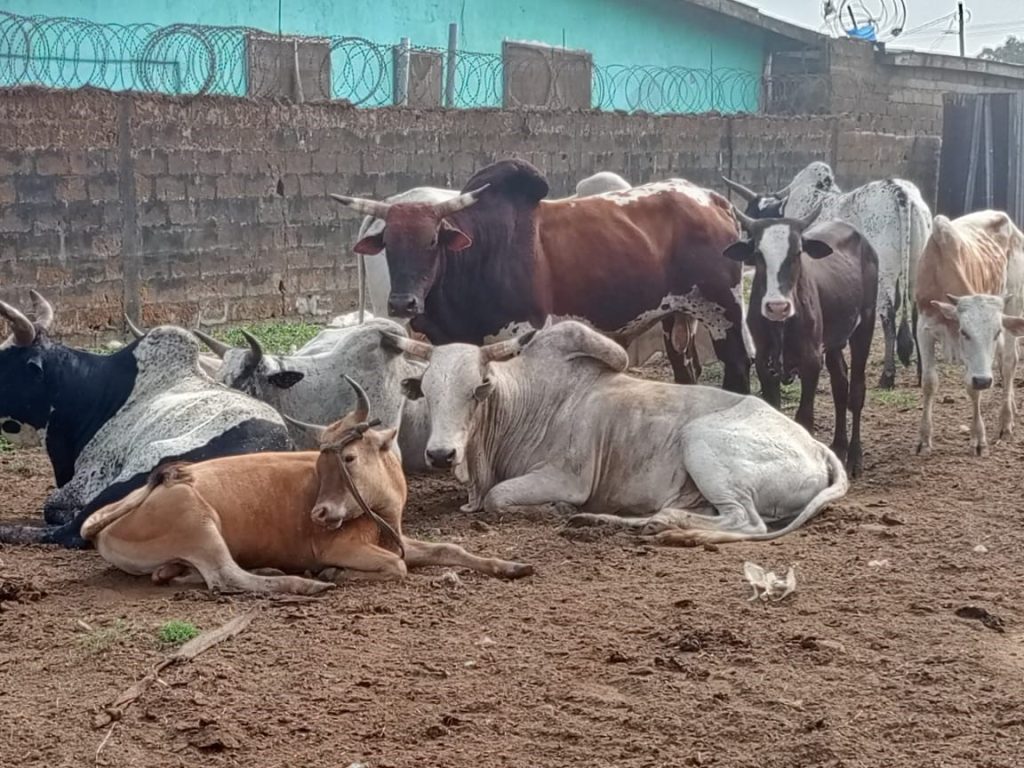
When cattle arrive at the border, animals are quarantined for about 21 days in an authorized center staffed and operated by the Ministry of Agriculture veterinarians for observation for any sign of diseases, Jalloh said.
He disagrees and denies that illegal cattle border crossing is widespread with importers using porous border points, stressing, “There is no way somebody who brings cattle in this country will not pay tax to customs or to the government.”
Also, he continued, “At the border in Ganta, Nimba County, there is a center for all cattle that come into the country. How will somebody pass at the border with a car without the knowledge of Custom officers, it is not possible.”
At the same time, he raised the point that the current border fee system is a burden for traders, noting that NASUL is “overwhelmed” by the huge taxes levied against them by custom officers assigned at the Ganta Border point in Nimba County, in the far northern part of Liberia bordering Guinea. As a result, Jalloh fears this is making importers use “alternative border points to import cattle.”
For Liberia and Sierra Leone government agriculture and health officials, there is no question that these are serious concerns, from both a livestock trade and public health point of view, that must be resolved.
When the mysterious cattle deaths happened at Kelima Bendu in July 2023, Sierra Leone official moved quickly introducing measures to protect cattle in the country and ensure public safety. These included the banning movement of cattle and other livestock from Liberia and importing meat products, temporary closure of livestock markets in the border area, and increased surveillance in slaughterhouses.
As it turned out, the worst fears were not realized. In a statement to journalists, Jeanie Cooper, Liberia’s former Minister of Agriculture (MOA), announced on July 20, 2023, that an official investigation had been conducted and the results found the cattle did not die from an infectious disease, including anthrax or brucellosis, as was feared. Instead, she continued, “The cattle death is attributed to severe lightning strikes which residents in the town confirmed occurred on the night before the cattle were discovered dead.” Both anthrax and brucellosis are infectious diseases transmissible from animals to humans that typically affects cows, sheep, and goats. The symptoms may include fever, joint pain, fatigue, chest pain, cough, shortness of breath, headache, nausea, vomiting, and stomach pains, among others.
Illegal cattle crossing and smuggling has other negative impacts, including triggering cross-border population conflict.
In Sierra Leone, the United Nations International Organization for Migration (IOM) and other development organizations are working with communities in Sierra Leone to address transhumance related conflicts. These conflicts are mainly between crop farmers and cattle herders.
An IOM report revealed that “Tensions arise whenever cattle eat up cultivated farmlands or destroy crops. Cases of retaliation have also been reported involving, for instance, stealing or killing livestock.”
On the Liberian side of the border, to curtail cattle smuggling, Dr. Anderson said MOA is seeking donor support to embark on a community awareness campaign targeting border communities to provide surveillance and serve as whistle-blowers aimed at preventing herders using porous border points.
The United Nations Food and Agriculture (FAO) in Liberia has provided support to MOA for the development of a national surveillance strategy, Dr. Anderson said. Part of this strategy includes providing surveillance training on animal mobility.
Also, the FAO’s Emergency Centre for Transboundary Animal Diseases (ECTAD) has been established and it is also providing support for the operation of the Central Veterinary Laboratory (CVL) which is located at the MOA sub-office on the campus of the University of Liberia and the Mini-Lab located the animal quarantine center at the Ganta border in Nimba County. FAO has set up a laboratory for testing and detection of priority diseases. This support has vastly improved MAO capacities for diagnosing priority zoonotic diseases (PZDs) and transboundary animal diseases (TADs).
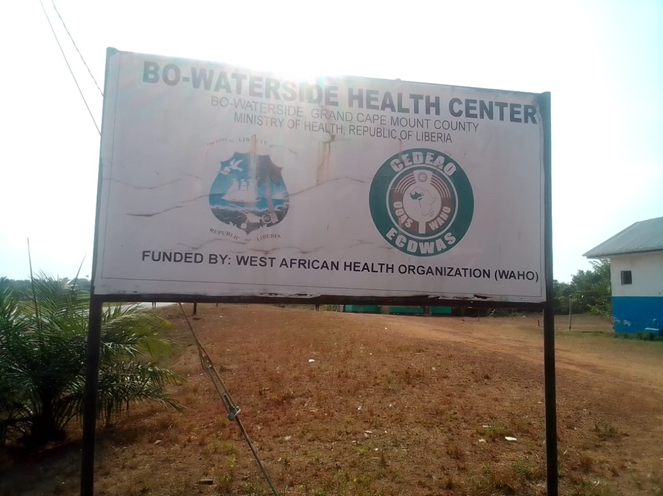
This issue of illegal border crossing is not just about animal health but also the health and welfare of the human populations, noted Yah Paye, Officer in Charge of the West Africa Health Organization (WAHO) facility, which is located at Bo Waterside. She there are around 23 priority health cases frequently treated at the centre, including monkey pox, measles, Lassa Fever, running stomach, bloody diarrhoea, yellow fever, TB, and sometimes unexplained complications amongst few others.
“This facility can be overwhelmed with the influx of patients from Sierra Leone since in fact it’s situated along the border and some of these can be transmitted by live stocks,” she pinpointed.
During periods of epidemic outbreaks prevention protocols are put in place to protect the populations. For example, during the Ebola and COVID-19 outbreaks, residents in these border areas were required to follow strict health protocols instituted by health authorities. These measures included border closure, curfews, frequent handwashing, wearing masks, etc.
Finding peaceful and viable solutions for cross border movement of livestock has long been a priority for governments in West Africa. In 1998, at its 21st conference held in Abuja, Nigeria, Heads of States of the Economic Community of West African States (ECOWAS) adopted the “ECOWAS Protocol on Transhumance” whose policies are aimed at regulating livestock cross border movements in a way which ensures peaceful cohabitation among member countries as well and fosters promotion of livestock production in the subregion.
The declaration states, “All transhumance livestock shall be allowed free passage across points of entry into and departure from each country on the condition that they have the ECOWAS International Transhumance Certificate.”
However, this decree really is focusing on pastoralism. It does not apply to animals being taken from one country to another to be sold.
The July 2023 mysterious cattle deaths in Kelima Bendu Town, Foyah District, Lofa County again made it clear that these countries in question here, namely, Liberia, and Sierra Leone share borders and common destinies. A crisis in one is a potential crisis for all and the need for a common solution is required for the benefit for all.
CT/wj